
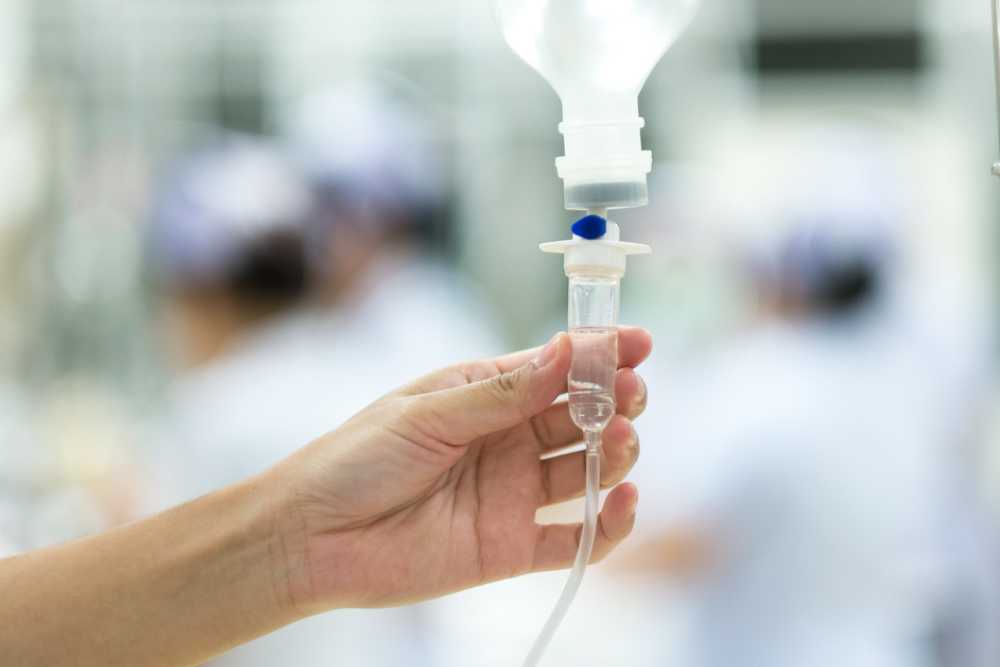
Intravenous (IV) ketamine treatment has gained attention as a potential option for individuals with severe or treatment-resistant depression and other mood disorders. One of the primary benefits of IV ketamine is its rapid onset of action compared with traditional antidepressants. While many standard medications can take weeks to show improvement, some patients undergoing intravenous ketamine for depression experience noticeable symptom relief within hours or days after an infusion.
IV administration allows clinicians to deliver precise dosing directly into the bloodstream, ensuring controlled absorption and consistent bioavailability. In a monitored clinical setting, ketamine may help reduce suicidal ideation, improve mood regulation, and support individuals who have not responded to conventional therapies, offering a potential pathway toward stabilization and engagement in ongoing mental health care.
Despite these benefits, IV ketamine treatment also carries potential risks and therefore requires careful clinical oversight. Some individuals may experience temporary side effects such as dissociation, dizziness, nausea, elevated blood pressure, or perceptual changes during or shortly after the infusion. Because ketamine can affect cardiovascular function and cognition, providers typically monitor vital signs, mental status, and overall patient response throughout the treatment session.
Ongoing assessment of how intravenous ketamine therapy works is essential to determine whether the treatment remains appropriate and effective, as repeated use may carry risks related to tolerance or misuse if not medically supervised. For this reason, IV ketamine therapy is usually administered in specialized medical environments where trained professionals can monitor safety, adjust dosing when necessary, and integrate the treatment within a broader mental health care plan.
How IV Ketamine Works in the Brain
IV ketamine works in the brain through mechanisms that differ significantly from traditional antidepressants. Most conventional medications for depression target monoamine neurotransmitters such as serotonin, norepinephrine, or dopamine. Ketamine, however, primarily affects the brain’s glutamate system, which plays a key role in learning, memory, and neural communication.
Specifically, ketamine acts as an NMDA (N-methyl-D-aspartate) receptor antagonist, meaning it temporarily blocks certain glutamate receptors. This action triggers a cascade of neurochemical events that increase glutamate release and activate AMPA receptors, leading to enhanced signaling between neurons in brain regions associated with mood regulation, including the prefrontal cortex.
These changes stimulate processes related to neuroplasticity, the brain’s ability to form and strengthen new neural connections. Research suggests that ketamine can increase brain-derived neurotrophic factor (BDNF) levels and activate pathways such as mTOR signaling, both of which are associated with synaptic growth and repair.
By rapidly enhancing synaptic connectivity in brain circuits involved in mood and emotional processing, IV ketamine may help reverse some of the neural disruptions linked to severe depression. This neurobiological activity helps explain why ketamine can produce faster symptom relief in some individuals compared with traditional antidepressant medications that primarily influence monoamine systems.
Why Traditional Antidepressants Sometimes Fail
Traditional antidepressants, such as selective serotonin reuptake inhibitors (SSRIs) and serotonin–norepinephrine reuptake inhibitors (SNRIs), are effective for many people, but they do not work for everyone. One reason is that these medications primarily target monoamine neurotransmitters like serotonin and norepinephrine, while depression is increasingly understood as a complex disorder involving multiple brain systems, including glutamate signaling, stress pathways, and neural connectivity.
In some individuals, the underlying neurobiology of depression may not respond adequately to monoamine-focused treatments. Additionally, traditional antidepressants often take several weeks to produce noticeable effects, which can be challenging for individuals experiencing severe symptoms, persistent low mood, or suicidal thoughts. These limitations contribute to what clinicians call treatment-resistant depression, where multiple medication trials fail to provide sufficient relief.
Spravato® (esketamine) and ketamine-based therapies can help bridge this treatment gap by working through a different neurobiological pathway. Rather than focusing primarily on serotonin or norepinephrine, these treatments act on the brain’s glutamatergic system, particularly by modulating NMDA receptors. This mechanism triggers a rapid cascade of neural signaling that can enhance synaptic plasticity and strengthen connections in brain regions involved in mood regulation.
Because of this distinct pathway, some individuals who do not respond to traditional antidepressants may experience improvement with ketamine or Spravato®. When administered in a medically supervised setting and combined with ongoing therapy or medication management, these treatments can offer an additional option for individuals seeking relief after conventional antidepressant approaches have not been effective.
Mental Health Treatment That Works
Call 949-625-0564What our customers are saying
How Intravenous Ketamine Targets the Glutamate System
Intravenous ketamine influences mood and cognitive function by acting on the brain’s glutamate system, which plays a critical role in neural communication, synaptic plasticity, and emotional regulation.
- NMDA Receptor Blockade: Ketamine functions as an NMDA receptor antagonist, temporarily blocking these glutamate receptors and altering normal signaling patterns in the brain.
- Increased Glutamate Release: Blocking NMDA receptors leads to a surge of glutamate in certain brain regions, particularly the prefrontal cortex, which is associated with mood regulation and decision-making.
- AMPA Receptor Activation: Increased glutamate levels stimulate AMPA receptors, enhancing neuronal communication and strengthening neural signaling pathways.
- Enhanced Synaptic Plasticity: This cascade promotes the formation and strengthening of synaptic connections, helping the brain adapt and reorganize in response to emotional and cognitive stressors.
- Activation of Growth Pathways: Ketamine stimulates molecular pathways, including mTOR, and increases levels of brain-derived neurotrophic factor (BDNF), both of which support the growth and repair of neural connections associated with mood stability.

What to Expect During an IV Ketamine Infusion
An IV ketamine infusion is administered in a controlled clinical setting where medical professionals monitor the patient’s comfort, safety, and response throughout the treatment session.
- Pre-Treatment Assessment: Before the infusion begins, a clinician typically reviews medical history, current medications, and vital signs to confirm that the treatment is appropriate and safe.
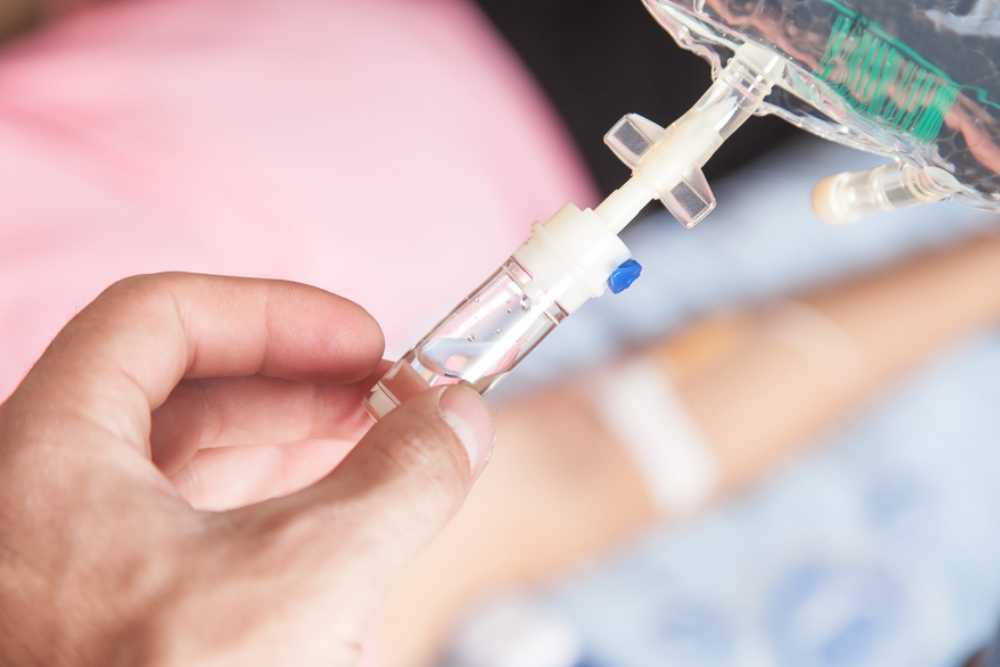
- IV Line Placement: A small intravenous line is inserted into a vein, usually in the arm or hand, allowing the ketamine solution to be delivered slowly and precisely into the bloodstream.
- Controlled Infusion Process: The medication is administered gradually over a set period, typically around 40 minutes, allowing clinicians to adjust the dosage and carefully monitor the patient’s response.
- Temporary Sensory or Perceptual Changes: Some individuals experience mild dissociation, altered perception, or a floating sensation during the infusion, which typically fades shortly after the treatment ends.
- Continuous Monitoring: Throughout the session, medical staff monitors blood pressure, heart rate, and overall well-being to ensure the treatment remains safe and comfortable.
- Post-Infusion Observation: After the IV ketamine infusion therapy is complete, patients usually remain at the clinic for a short observation period until any temporary side effects subside and they are cleared to leave with a support person if required.
Key Takeaways on Intravenous Ketamine for Depression
- IV ketamine offers a rapid-acting treatment option for individuals with treatment-resistant depression, working through the brain’s glutamate system rather than the serotonin-focused pathways targeted by traditional antidepressants.
- The treatment promotes neuroplasticity, helping strengthen and restore neural connections in brain regions involved in mood regulation, emotional processing, and cognitive function.
- Spravato® and ketamine therapies can help bridge gaps in care for individuals who have not experienced sufficient improvement with conventional antidepressant medications.
- IV ketamine infusions are delivered in a carefully monitored clinical setting, where medical professionals track vital signs, observe patient responses, and ensure safety throughout the treatment session.
- While many individuals may experience symptom relief, IV ketamine also carries potential side effects, making clinical screening, monitoring, and integration with ongoing mental health care essential for safe and effective treatment.
Discover the benefits of intramuscular ketamine therapy at Moment of Clarity, specifically designed for individuals struggling with mood disorders and depression. Our experienced team in Southern California is dedicated to providing personalized care and support throughout your treatment journey. For more information or to schedule a consultation, please contact us at 949-625-0564. We look forward to helping you regain your sense of clarity and well-being.
Resources
- Yale Medicine – Ketamine for Depression: How It Works
- Columbia University Irving Medical Center – Understanding Ketamine Treatment for Depression
- Cleveland Clinic – Facts on Ketamine Therapy