




What Should You Know About Ketamine Therapy for Mental Health in Tustin?

What Should You Know About Ketamine Therapy for Mental Health in Tustin?

Ketamine Therapy Clinic Tustin CA

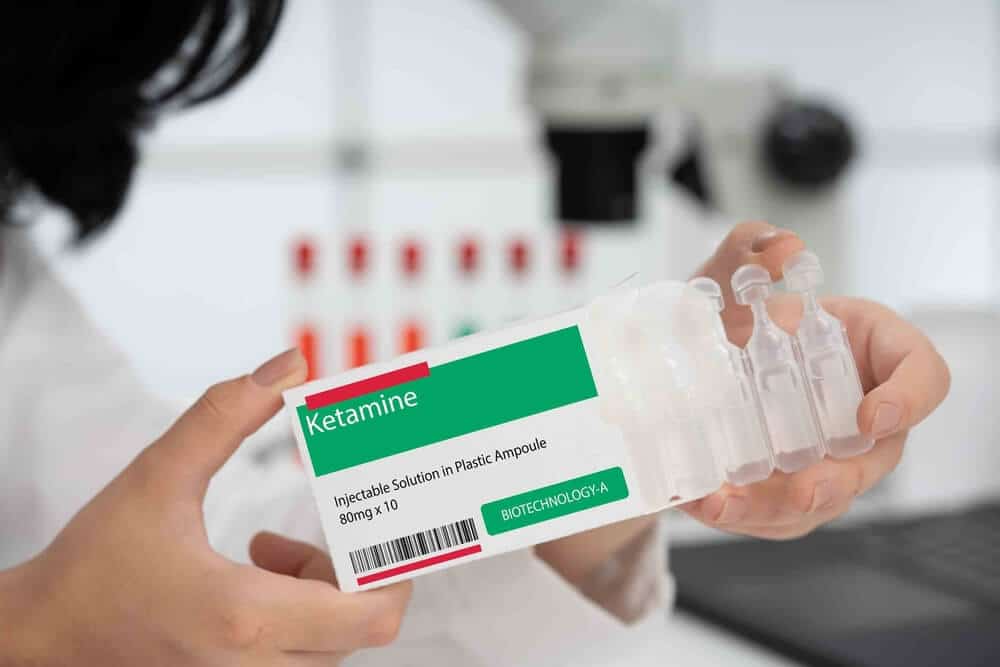
Ketamine therapy has emerged as a breakthrough treatment for individuals battling treatment-resistant depression, anxiety, PTSD, and other mental health conditions. Unlike traditional antidepressants that can take weeks or months to show effects, ketamine works through a different mechanism by blocking NMDA receptors in the brain, which can lead to rapid improvements in mood and mental clarity. Patients who have not responded to conventional medications or therapy approaches with significant relief can be treated with carefully administered ketamine sessions at a specialized ketamine therapy clinic in Tustin, CA. 

The intensive outpatient treatment for mental health in California helps reset neural pathways. It can provide a window of mental clarity that allows patients to engage more effectively with other therapeutic interventions. Attending a ketamine therapy clinic near Tustin, CA, offers a structured, medically supervised environment where patients receive personalized treatment plans tailored to their specific mental health needs. These clinics typically provide comprehensive care that includes initial psychiatric evaluations, ongoing monitoring during treatment sessions, and integration support to help patients process their experiences.

The clinical setting ensures proper dosing, safety protocols, and professional guidance throughout treatment. Many patients report that ketamine therapy not only provides symptom relief but also offers new perspectives on their mental health challenges, often serving as a catalyst for broader healing and personal growth when combined with traditional psychotherapy and lifestyle changes.

Ketamine Assisted Therapy

What Is Ketamine-Assisted Therapy?

Ketamine-assisted therapy for veterans and other patients involves a specialized treatment approach that combines the administration of ketamine medication with psychotherapeutic support to treat various mental health conditions. Unlike ketamine infusions given purely for medical purposes, ketamine-assisted therapy integrates the medication’s effects with guided therapeutic sessions to maximize healing potential.

The treatment typically involves a trained therapist working with patients before, during, and after ketamine administration to help process insights, emotions, and experiences that arise during the altered state of consciousness the medication can induce.

The therapy sessions usually follow a structured protocol where patients receive a controlled dose of ketamine in a comfortable, supervised setting while working with a mental health professional. During the ketamine experience, which can last 45 minutes to several hours depending on the method of administration, patients often report enhanced introspection, reduced psychological defenses, and new perspectives on traumatic experiences or deeply rooted patterns.

The therapist helps guide the session and assists with integration afterward, helping patients understand and apply insights gained during treatment to their daily lives. This combination approach has shown particular promise for treatment-resistant depression, PTSD, anxiety disorders, and certain chronic pain conditions, offering hope for individuals who haven’t responded well to traditional therapies alone.

It’s important to recognize that while not everyone develops PTSD, many active duty service members and veterans may experience other mental health challenges or adjustment issues that don’t necessarily meet the clinical criteria for PTSD. These might include depression, anxiety, or adjustment disorders that still deserve attention and care.

How Does Ketamine Differ From Traditional Antidepressants?

Ketamine differs fundamentally from traditional antidepressants in both its mechanism of action and speed of effectiveness. Traditional antidepressants like SSRIs (selective serotonin reuptake inhibitors) and SNRIs work by increasing levels of neurotransmitters such as serotonin, norepinephrine, or dopamine in the brain, typically requiring 4–8 weeks to show therapeutic effects.

Ketamine blocks NMDA glutamate receptors and promotes the growth of new neural connections through a process called neuroplasticity, often producing noticeable improvements in mood within hours to days of treatment. This rapid action makes ketamine particularly valuable for individuals experiencing severe depression or suicidal ideation who need immediate relief.

The therapeutic experience also differs significantly between these treatments. Traditional antidepressants are taken daily as maintenance medications and work gradually to stabilize mood over time. However, they can sometimes cause side effects like sexual dysfunction, weight gain, or emotional blunting.

Ketamine therapy, on the other hand, is administered intermittently in clinical settings and can produce profound psychological experiences during treatment sessions, including altered perception, introspection, and emotional processing. While traditional antidepressants aim to manage symptoms long-term, ketamine appears to create lasting changes in brain structure and function that can provide sustained improvement even after treatment courses end.

What Mental Health Conditions Can Ketamine Therapy Address

What Mental Health Conditions Can Ketamine Therapy Address?

Ketamine therapy has shown effectiveness in treating several mental health conditions, with the strongest evidence supporting its use for treatment-resistant depression. The FDA has approved esketamine (a derivative of ketamine) specifically for adults with treatment-resistant depression who haven’t responded to at least two different antidepressant medications.

Research has also demonstrated significant benefits for major depressive disorder with suicidal ideation, where ketamine’s rapid onset can be life-saving for individuals in crisis. Beyond depression, clinical studies and real-world applications have shown promising results for post-traumatic stress disorder (PTSD), particularly when combined with psychotherapy, as the medication can help patients process traumatic memories with reduced emotional reactivity.

Additional mental health conditions that may benefit from ketamine therapy include various anxiety disorders, obsessive-compulsive disorder (OCD), and bipolar depression. Some clinics offering services for mental health treatment in California have used ketamine to treat chronic pain conditions that have psychological components, such as fibromyalgia and complex regional pain syndrome since mental health and chronic pain often interconnect.

While research is still emerging for conditions like eating disorders and substance use disorders, early studies suggest potential benefits in these areas as well. Although ketamine therapy is typically considered when first-line treatments have been ineffective, the decision to pursue this treatment should always involve thorough evaluation by qualified mental health professionals who can assess whether a patient is an appropriate candidate based on their specific condition, medical history, and treatment goals.

We Accept Most PPO Insurance Policies

All calls and submitted forms are 100% confidential. Insurance could completely cover the cost of treatment
What Should You Know About Ketamine Therapy for Mental Health in Tustin?
And Many More

Is Ketamine Therapy Safe?

Ketamine therapy is generally considered safe when administered in clinical settings under proper medical supervision, though, like all medical treatments, it does carry some risks and side effects. Ketamine has been used for decades as an anesthetic, and in 2019, an inhaled version of it was approved by the FDA for treatment-resistant depression.

The safety profile is well-established due to its long history of medical use, and serious adverse events are rare when proper protocols are followed. Common side effects during treatment include temporary dissociation, nausea, dizziness, increased blood pressure and heart rate, and mild cognitive effects that typically resolve within hours of treatment. Most patients tolerate the therapy well, and these effects are generally manageable in a supervised clinical environment.

However, ketamine therapy isn’t appropriate for everyone, and thorough medical screening is essential before treatment begins. Despite the general safety, ketamine carries the following risks: Instability of heart and blood vessel function: This may include a temporary increase in blood pressure and heart rate or a decrease in blood pressure and heart rate.

Is Ketamine Therapy Safe

Access a Ketamine Therapy Clinic in Tustin, CA

Attending a ketamine therapy clinic in Tustin, CA, provides individuals with treatment-resistant mental health conditions access to a cutting-edge therapeutic approach that can deliver rapid and profound relief when traditional treatments have failed. The clinical environment ensures patients receive medically supervised care with proper dosing, safety monitoring, and emergency protocols, maximizing effectiveness and safety.

Beyond the medical benefits, ketamine therapy clinics provide a supportive, structured environment designed specifically for mental health healing. Many clinics integrate psychotherapeutic support before, during, and after ketamine sessions, helping patients process insights and emotional breakthroughs that often occur during treatment.

For many individuals who have struggled with chronic mental health conditions, attending a ketamine therapy clinic represents a path toward recovery that seemed impossible with conventional treatments alone. For help locating an effective ketamine therapy clinic in Tustin, CA, call Moment of Clarity at 949-625-0564 today.

Reach Out Today

Frequently Asked Questions

We have the answers you're looking for

Ketamine-assisted therapy is a medically supervised treatment in which a controlled dose of ketamine is administered alongside psychotherapeutic support to help you address conditions like treatment-resistant depression, PTSD, and severe anxiety. At Moment of Clarity, sessions take place in a structured clinical setting where trained staff monitor your vitals and guide the therapeutic process throughout. This is a fundamentally different context from recreational use, which involves uncontrolled dosing without medical oversight and carries serious risks including cognitive impairment and addiction. The therapeutic approach uses doses far lower than those used for anesthesia, with the goal of promoting neuroplasticity and emotional breakthroughs that deepen the work done in therapy. Understanding this distinction is important for setting realistic expectations and feeling confident in the safety of the treatment.

Ketamine therapy is most appropriate for individuals who have not responded to two or more traditional antidepressant medications or who have experienced treatment-resistant depression, PTSD, anxiety, or other chronic mental health conditions. People experiencing severe depressive episodes with suicidal ideation may particularly benefit from ketamine's rapid-acting properties, which can provide relief within hours rather than the weeks that conventional antidepressants require. You may also be a strong candidate if you have significant side effects from psychiatric medications and are looking for a non-traditional approach that targets the brain's glutamate system rather than serotonin pathways. A comprehensive evaluation at a clinic near Tustin will review your medical history, current medications, and psychiatric background to confirm eligibility. If you are unsure whether you qualify, our team at Moment of Clarity can walk you through the screening process.

Ketamine therapy at Moment of Clarity is used to treat a range of mental health conditions, with its strongest evidence base in treatment-resistant depression and major depressive disorder with acute suicidal ideation. It is also used for PTSD, generalized anxiety, bipolar depressive episodes, OCD, and eating disorders in cases where conventional treatments have not produced sufficient relief. Research indicates that ketamine can reduce symptoms of bulimia and anorexia by decreasing compulsive urges and improving mood, and its unique glutamate-targeting mechanism makes it effective for conditions that involve entrenched neural patterns. Moment of Clarity integrates ketamine sessions with individual therapy, IOP, and PHP programming so the neurological window the medication opens is fully utilized for lasting therapeutic progress. Our treatment is outpatient, meaning you can return home after each session and continue your daily responsibilities.

During a ketamine therapy session at a clinic near Tustin, you will be seated in a comfortable reclining chair or treatment bed in a calm, private room. Medical monitoring equipment tracks your heart rate, blood pressure, and oxygen levels throughout the session, and clinical staff remain present to ensure your safety. The medication may be administered via IV infusion over 40 to 60 minutes, intramuscular injection, or as an esketamine nasal spray depending on your treatment protocol. You may experience temporary dissociative sensations, such as a floating feeling, mild visual shifts, or a dreamlike state of consciousness, which are a normal part of the therapeutic process. After the session ends, you will be monitored for at least two hours before being released, and you will need a driver because you will not be able to operate a vehicle safely.

One of ketamine therapy's most significant advantages is the speed at which it can take effect, with some patients reporting a noticeable lift in mood within hours of their first infusion. A University of Michigan study found that after just three infusions over 11 days, 52% of participants with severe depression achieved remission, and over 70% experienced a significant reduction in symptoms. This rapid onset is especially meaningful for individuals with severe depression or suicidal ideation, where waiting weeks for an antidepressant to work can be dangerous. Most patients begin with a series of six infusions over two to three weeks, and the therapeutic effects can persist for months after the initial treatment course. Maintenance sessions can be scheduled as needed if symptoms begin to return.

Ketamine works by blocking NMDA receptors in the brain, which triggers the release of brain-derived neurotrophic factor (BDNF) and promotes the growth of new neural connections. This mechanism is entirely different from SSRIs and SNRIs, which target serotonin and norepinephrine systems, which is why ketamine can work for patients who have not responded to those medications. The resulting surge in neuroplasticity creates a window in which the brain is more receptive to therapeutic change, making it an ideal companion to psychotherapy. Many patients describe a reduction in the psychological defenses and emotional barriers that make processing trauma or deep-rooted depression particularly difficult. Over time and with repeated sessions, these neurological changes can translate into lasting improvements in mood, emotional regulation, and quality of life.

Insurance coverage for ketamine therapy varies significantly depending on your provider and the specific treatment being offered. FDA-approved Spravato (esketamine nasal spray) has better insurance coverage than off-label IV ketamine infusions and is indicated for adults with treatment-resistant depression or major depressive disorder with acute suicidal ideation. Many insurance plans, including PPO plans accepted by Moment of Clarity such as Cigna, Aetna, Tricare, and Humana, may offer partial or full coverage for Spravato when proper documentation of treatment resistance is provided. It is important to discuss the financial commitment upfront with your care coordinator so you can plan your treatment journey without unexpected costs. Our admissions team offers free, confidential insurance verification to help you understand your benefits before beginning care.

Spravato is the FDA-approved brand name for esketamine nasal spray, specifically indicated for adults with treatment-resistant depression and for those with major depressive disorder experiencing acute suicidal ideation. Unlike IV ketamine infusions, which deliver ketamine directly into the bloodstream through a vein over 40 to 60 minutes, Spravato is self-administered as a nasal spray in a supervised clinical setting where you remain under medical observation for at least two hours after each dose. To qualify for Spravato, you must have tried at least two antidepressant medications at adequate doses without achieving a satisfactory response. Moment of Clarity offers Spravato as part of a comprehensive outpatient treatment approach, integrating the medication with ongoing therapy to support lasting mental health improvement. The FDA approval status of Spravato may also make it more accessible through insurance compared to off-label IV ketamine.

Yes, ketamine therapy is designed to work alongside, not instead of, other evidence-based mental health treatments, and this integrated approach often produces the strongest outcomes. At Moment of Clarity, ketamine sessions are coordinated with individual therapy, group therapy, and modalities such as CBT, DBT, EMDR, and trauma-informed care so the neurological openness the medication creates can be channeled into meaningful therapeutic work. Patients who continue CBT or EMDR after ketamine sessions often find they can access painful emotions and memories more readily, accelerating progress that might otherwise take months. In many cases, patients also continue their existing antidepressant or mood stabilizer regimen during the ketamine treatment course, under psychiatric supervision to ensure safety. Our clinical team at Moment of Clarity works collaboratively to design a plan that coordinates all elements of your care.

Yes, all ketamine therapy offered through Moment of Clarity near Tustin is provided on an outpatient basis, meaning you do not need to stay overnight or interrupt your daily life. Sessions take place at our clinically equipped outpatient treatment centers in Southern California, and after monitoring is complete you return home the same day. The outpatient model is one of the major advantages of ketamine-assisted therapy compared to inpatient or residential options, as it allows you to maintain work, school, or family responsibilities while receiving care. For those enrolled in our IOP or PHP programs, ketamine sessions can be coordinated directly within your broader treatment schedule. If you are ready to find out whether outpatient ketamine therapy near Tustin is right for you, call us at 949-625-0564 to schedule a consultation.