

How Does Ketamine Infusion Therapy Compare to Traditional Antidepressants?

How Does Ketamine Infusion Therapy Compare to Traditional Antidepressants?

Ketamine infusion therapy and traditional antidepressants differ significantly in their mechanisms, speed of action, and treatment approaches. Conventional antidepressants like SSRIs and SNRIs work by increasing levels of neurotransmitters such as serotonin and norepinephrine in the brain. Ketamine operates through a completely different pathway by blocking NMDA receptors and promoting the growth of new neural connections (neuroplasticity), particularly affecting the brain’s glutamate system. But what is Ketamine infusion therapy used for, and how can it improve mental health?

Ketamine is generally prescribed only when other treatments have not been effective and has shown particular promise for people who haven’t responded to traditional antidepressants. Many Ketamine clinics near Tustin, CA, now offer infusions for a wide array of mental health issues, including obsessive-compulsive disorder, depression, and anxiety.

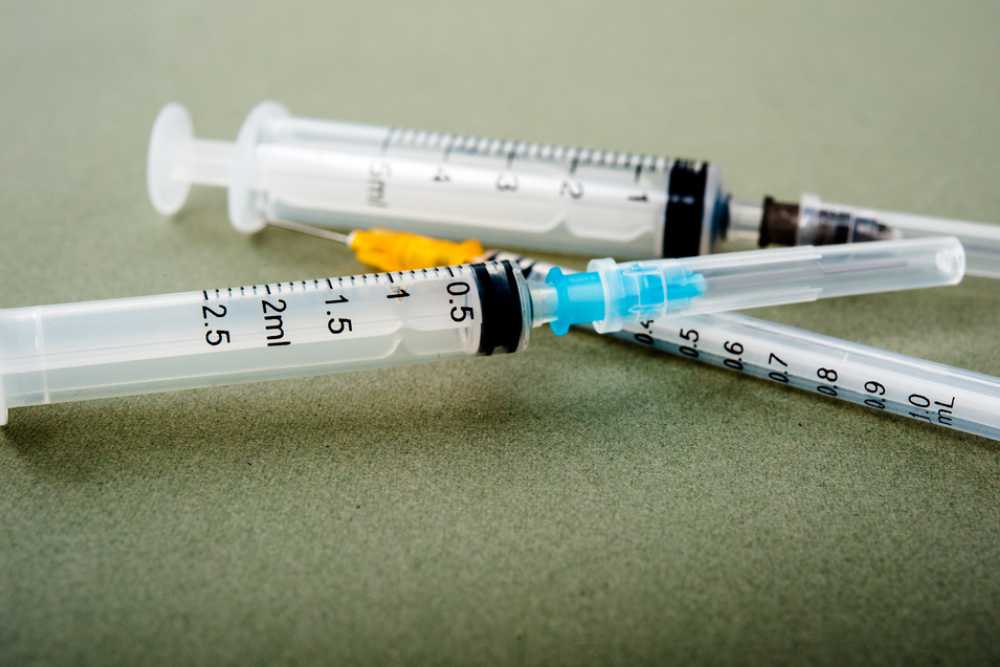
Ketamine infusion therapy involves receiving controlled intravenous doses in a medical setting. Treatment typically consists of an initial series of infusions over several weeks, followed by maintenance sessions as needed. The therapy requires medical supervision due to ketamine’s dissociative effects during treatment.

ketamine infusion therapy

Who Should Consider Ketamine Therapy Instead of Antidepressants?

Ketamine therapy is typically considered for specific populations where traditional antidepressants may not be the best first option or have already proven insufficient:

  • Treatment-Resistant Depression: People who have tried multiple traditional antidepressants without adequate response are prime candidates. This includes those who’ve experienced partial improvement but still have significant symptoms affecting their daily functioning.
  • Severe Depression with Suicidal Ideation: When someone is experiencing active suicidal thoughts or has made recent attempts, the rapid action of ketamine can be life-saving. Traditional antidepressants’ 4-8 week onset period may be too slow in crises.
  • Bipolar Depression Individuals with bipolar disorder often have limited antidepressant options due to the risk of triggering manic episodes. Ketamine can be effective for bipolar depression without the same risk of mood switching.
  • Complex Mental Health Conditions: Those with co-occurring PTSD and depression are also good candidates. This makes using Ketamine for military PTSD a viable option for many veterans.


Candidates must undergo a thorough medical and psychiatric evaluation to ensure safety, as ketamine isn’t appropriate for everyone, particularly those with certain heart conditions, active substance abuse, or specific psychiatric conditions. The decision should always involve consultation with a qualified psychiatrist or mental health professional who can assess individual circumstances, previous treatment history, and overall health status to determine if ketamine therapy is appropriate.

How Quickly Does Spravato Work Compared to Antidepressants?

Spravato (esketamine nasal spray) works dramatically faster than traditional antidepressants, offering a significant advantage for people with treatment-resistant depression. Spravato exhibits a relatively rapid onset, generally taking effect within 30–60 minutes after treatment. For treating military depression and other common depression issues, Spravato has proven effective at reducing depression symptoms in as little as 24 hours.

Conventional antidepressants like SSRIs and SNRIs typically require 4–8 weeks to show meaningful therapeutic effects, as they need time to build up in your system and gradually alter brain chemistry. For people who have already tried multiple traditional antidepressants without success, Spravato’s rapid action provides hope and relief much sooner than attempting another conventional medication.

Unlike oral antidepressants taken at home, Spravato requires administration in healthcare settings with monitoring after each treatment session due to potential side effects. Some may find significant improvements within the first month, while others might require ongoing treatment to maintain their benefits, emphasizing the need for individualized treatment approaches.

Mental Health Treatment That Works

Call 949-625-0564

What our customers are saying

Is Spravato FDA-Approved for Depression?

Yes, Spravato is FDA-approved for depression, and the approval has recently expanded significantly. Spravato first received approval in 2019 for use in adults with major depressive disorder who did not respond to antidepressants.

Recently, Spravato was approved as a monotherapy for adults with treatment-resistant depression. This means the FDA allows the drug to be used on its own without requiring concurrent oral antidepressants. This expanded FDA approval represents a significant advancement in depression treatment, particularly for people with treatment-resistant depression who haven’t found relief with traditional antidepressants. The ability to use Spravato as a standalone treatment offers more flexibility for both patients and healthcare providers.

How Long Do the Benefits of Ketamine Infusions Last Compared to Antidepressants?

The duration of benefits from ketamine infusions versus traditional antidepressants differs significantly in how they provide and maintain therapeutic effects.

Ketamine Infusion Duration

  • Single Treatment Effects: Research indicates that the favorable outcomes of a single ketamine infusion can endure for up to a week. However, the effects of the treatment can last for several days or even weeks. Following a ketamine infusion session, some individuals may experience immediate effects, such as a sense of calm, increased clarity of thought, and improved mood. These effects can vary from person to person and may last for a few hours or days.
  • Long-term Symptom Relief: The time period of being relieved from depressive symptoms can last anywhere from four weeks to three to four months or longer, but again, response varies widely by the patient. For pain conditions, most people get long-term pain relief of at least one month after two to three sessions.
  • Maintenance Schedule: For depression and anxiety, the initial treatment protocol typically involves a series of six infusions administered over a six-week period. After the initial series, most people receive treatment once a month for maintenance.


Traditional Antidepressants Duration

  • Continuous Effect Model: Traditional antidepressants work differently as they require daily dosing to maintain steady levels in your system. Their benefits last as long as you continue taking them consistently. Missing doses can lead to withdrawal symptoms and the return of depression within days to weeks.
  • Long-term Stability: Once effective, traditional antidepressants can provide stable, continuous symptom control for months or years with daily use. Many people stay on them for six months to several years after achieving remission.


Ketamine therapy is highly individualized, so response varies widely by the patient, while traditional antidepressants also show individual variation but typically follow more predictable patterns once therapeutic levels are established. The choice between these approaches often depends on personal response patterns, lifestyle preferences, and the severity of symptoms.

attending ketamine infusion therapy

What Is Ketamine Infusion Therapy Used for? Key Takeaways

  • Ketamine infusions and Spravato can provide relief within hours to days, while traditional antidepressants require four to eight weeks to show meaningful effects.
  • Traditional antidepressants work through neurotransmitter systems, while ketamine operates through the brain’s glutamate system.
  • Traditional antidepressants require daily oral medication for continuous effect, while ketamine involves periodic infusions or nasal spray treatments in medical settings.
  • Spravato received groundbreaking FDA approval in January 2025 as the first monotherapy for treatment-resistant depression.
  • Ketamine-based therapies are typically reserved for treatment-resistant cases, severe depression with suicidal thoughts, or situations requiring rapid symptom relief, serving as a crucial option when conventional treatments have failed.


What is ketamine infusion therapy used for? Ketamine infusion therapy is utilized as a groundbreaking treatment for various mental health conditions, including depression, anxiety, and PTSD. If you’re interested in exploring how ketamine infusion therapy can positively impact your mental well-being, reach out to Moment of Clarity at 949-625-0564. Our team is dedicated to providing personalized care and support as you navigate your path towards improved mental health.

Resources

Frequently Asked Questions

We have the answers you're looking for

Ketamine infusion therapy is used primarily for treatment-resistant depression, where two or more antidepressants have failed to produce adequate relief; major depressive disorder with acute suicidal ideation requiring rapid intervention; PTSD and anxiety disorders not responding to standard treatments; bipolar depression in carefully managed clinical contexts; OCD; and certain chronic pain conditions including fibromyalgia and complex regional pain syndrome. The rapid antidepressant mechanism through NMDA glutamate receptor blockade distinguishes ketamine infusion from all conventional antidepressants and accounts for its efficacy in treatment-resistant populations. Call 949-625-0564 to discuss whether ketamine infusion is appropriate for your diagnosis.

Ketamine infusion works by blocking NMDA glutamate receptors, which triggers downstream activation of AMPA receptors and release of BDNF, promoting rapid synaptogenesis in prefrontal and limbic circuits disrupted by depression. This cascade produces measurable antidepressant effects within hours by restoring neural connectivity in mood-regulating circuits rather than through the gradual receptor upregulation that conventional antidepressants require. The neuroplastic changes initiated by infusion continue after the acute ketamine effects fade, and each successive session in the series builds on the neuroplastic changes of prior sessions.

A standard ketamine infusion protocol for depression involves six infusions over two to three weeks as an initial course, typically administered three times per week in the first week and three more times in the second week. Each infusion lasts approximately 40 to 60 minutes plus monitoring time. Maintenance infusions following the initial course are scheduled at individualized intervals based on how long each patient maintains their improvement between sessions, ranging from monthly to several times per year. The exact protocol is adjusted by the clinical team based on clinical response.

Ketamine infusion uses racemic ketamine containing both S-ketamine and R-ketamine delivered intravenously, is used off-label for psychiatric indications, and is generally self-pay as insurance does not typically cover off-label use. Spravato contains only esketamine (S-ketamine) delivered as a nasal spray, has FDA approval for treatment-resistant depression and MDD with suicidal ideation, and is covered by most major insurers for qualifying patients. Both require clinical supervision and a driver home; Spravato requires the two-hour REMS monitoring period. The choice depends on diagnosis, clinical factors, and insurance coverage.

Contraindications to ketamine infusion include personal or family history of schizophrenia or primary psychotic disorders; uncontrolled cardiovascular disease or severely elevated blood pressure; active substance use disorders involving alcohol or dissociative drugs; pregnancy; and significantly elevated intracranial or intraocular pressure. These are identified through the comprehensive pre-treatment evaluation at Moment of Clarity. Active psychosis is the most significant contraindication as ketamine's dissociative properties can worsen psychotic symptoms.

Ketamine infusion compares to antidepressants in fundamentally different ways: speed of onset hours to days versus four to eight weeks; mechanism of action glutamate pathway versus serotonin pathway; administration scheduled infusions versus daily oral medication; and insurance coverage generally self-pay versus covered for most indications. For treatment-resistant patients who have failed multiple antidepressants, ketamine infusion provides a neurochemically distinct pathway with response rates significantly higher than continuing to try additional antidepressants. Research shows approximately 70% response rates among patients completing a full infusion course.

Ketamine infusion works remarkably rapidly, with many patients reporting meaningful mood improvements within hours of their first infusion and most responding within the first week of treatment. This rapid onset is the single most clinically important characteristic distinguishing ketamine from all other depression treatments and makes it particularly valuable for patients in acute distress, those with active suicidal ideation, or those who have spent months or years without adequate relief and cannot wait weeks for a conventional antidepressant to work.

During a ketamine infusion session at Moment of Clarity, you are settled in a comfortable monitored clinical setting and the infusion is administered intravenously over approximately 40 to 60 minutes by qualified medical staff. During the infusion you may experience mild dissociation, dizziness, altered perception, or a dreamlike quality that resolves within hours. Vital signs and clinical status are monitored throughout. After the infusion, you remain in the monitored setting for an additional period before being cleared to leave with your designated driver. Staff are available throughout for any questions or concerns.

IV ketamine infusion is generally not covered by standard insurance as it is used off-label for psychiatric indications. Most patients pay out of pocket for infusions. Spravato esketamine, by contrast, is FDA-approved and covered by most major insurers for qualifying patients. For patients with qualifying diagnoses who prefer a covered option, Spravato at Moment of Clarity may be the more financially accessible choice. Free insurance verification confirms your specific coverage for either option. Call 949-625-0564.

Starting ketamine infusion at Moment of Clarity begins with a free call to 949-625-0564. A clinical evaluation confirms candidacy and the team discusses cost, scheduling, and the option of Spravato as a covered alternative. Tustin and Oceanside locations offer ketamine-based treatment within comprehensive outpatient programs. Same-day consultations are available.


Picture of Adam Swanson, LMFT

Adam Swanson, LMFT

Adam obtained his Master’s degree in Marriage and Family Therapy from California State University of Long Beach, a program known for fostering creative, yet clinically sound approaches to mental health treatment. Early in his career Adam gained clinical experience in a variety of settings, starting first in the non-profit sector working primarily with children and their families, before transitioning into the field of addiction recovery for adults, as well as obtaining postgraduate training in Dialectical Behavioral Therapy. Throughout his career, Adam has remained passionate about being a force for positive change both for his clients, as well as for the clinical teams he has led as a Clinical Supervisor and Clinical Director. To date he has facilitated the role of Clinical Director for numerous teams at both chemical dependency and primary mental health treatment programs. He has played a primary role in the development of specialized treatment programs such as an outpatient program for first responders suffering from addiction, has worked closely with school psychologists in the Huntington Beach Unified School District in their efforts to provide early intervention for students at risk for addiction, and continues to provide state required clinical supervision to associate therapists who are gaining hours toward their licensure.

Verify Insurance
Benefits

We accept most PPO
insurance policies

Get Confidential Help

Our compassionate admissions team is here 24/7 to help you take the first step

Your information is confidential and will never be shared.

Table of Contents

We Accept Most PPO Insurance Policies

All calls and submitted forms are 100% confidential. Insurance could completely cover the cost of treatment
And Many More