

How Do I Know If Outpatient Depression Treatment Is Right for Me?
When considering outpatient depression treatment for recovery, it’s essential to assess both the severity of your symptoms and your current level of functioning in daily
As Transcranial Magnetic Stimulation (TMS) becomes a more accepted form of therapy for mental health conditions, many potential patients ask, does insurance cover TMS for
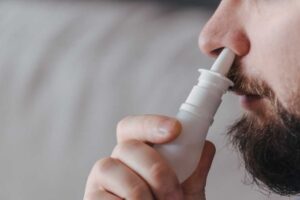
Spravato® (esketamine) has shown significant effectiveness in treating depression, particularly for patients who haven’t responded to traditional antidepressants. Clinical trials have demonstrated that when used
Yes, accelerated Transcranial Magnetic Stimulation (TMS) therapy appears to be effective for depression based on recent research, though it’s still an evolving treatment approach. Research
Spravato®, an esketamine nasal spray, has demonstrated notable success rates in treating treatment-resistant depression. However, outcomes vary depending on the treatment phase and study parameters.
Undergoing ketamine-assisted treatment for the first time can be concerning without proper preparation and knowledge of how the process works. However, knowing how to prepare
Research suggests that Transcranial Magnetic Stimulation for PTSD shows promising results, though it’s still considered an emerging treatment. TMS has been shown to have some
As ketamine-assisted therapy emerges as a treatment that combines the medication ketamine with psychotherapy to treat mental health conditions, many people are unaware of how
Transcranial Magnetic Stimulation (TMS) therapy has demonstrated significant effectiveness as a treatment for various mental health conditions, particularly treatment-resistant depression. Research consistently shows that the
TMS (Transcranial Magnetic Stimulation) shows promise for helping stabilize mood swings in bipolar disorder, particularly during depressive episodes, based on recent research findings. A recent