





Frequently Asked Questions
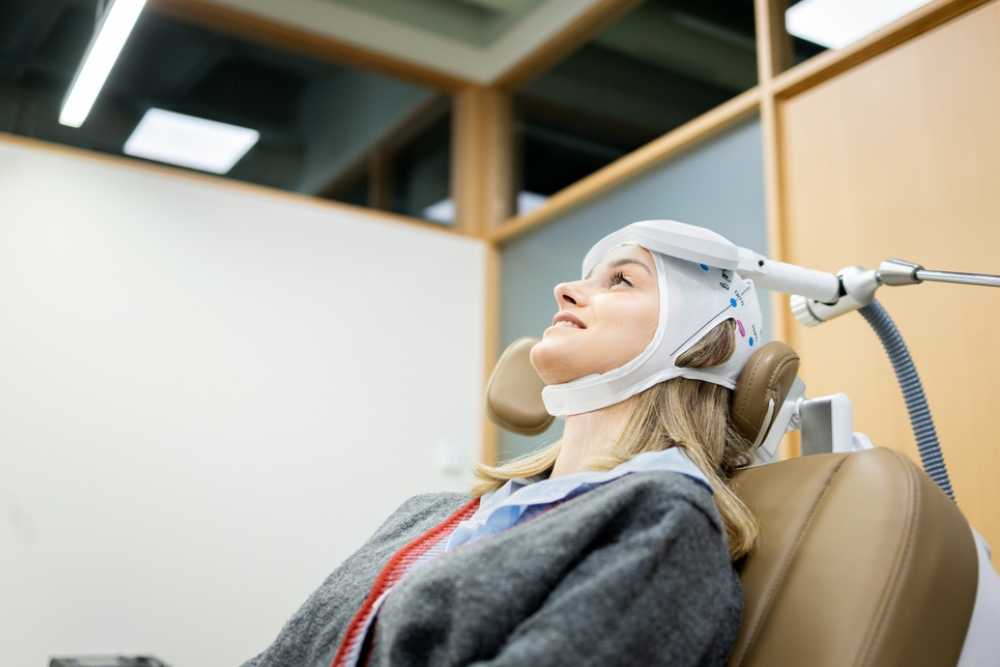
TMS therapy works by placing an electromagnetic coil against the scalp, typically over the left prefrontal cortex, which is a brain region that shows decreased activity in people with depression. The coil generates focused magnetic pulses that pass through the skull and produce electrical currents in targeted brain tissue, causing neurons to fire and activating underactive mood-regulating circuits. With repeated sessions, this stimulation promotes neuroplasticity, helping the brain form new pathways and restore healthier patterns of neural communication. Unlike antidepressant medications, which circulate throughout the entire body and affect neurotransmitter systems broadly, TMS delivers localized treatment directly to the specific brain region involved in mood regulation. Moment of Clarity near Irvine offers TMS therapy in a fully outpatient setting, meaning you remain awake and alert throughout each session and can resume normal activities immediately after.
TMS therapy has FDA approval for several mental health conditions, with major depressive disorder being the most well-established indication, particularly for treatment-resistant cases where antidepressants have not produced adequate relief. It is also FDA-approved for obsessive-compulsive disorder, smoking cessation, and migraine prevention, and research continues to expand its applications. Near Irvine, Moment of Clarity uses TMS to address depression, anxiety disorders, PTSD, OCD, and certain aspects of bipolar disorder, with treatment protocols tailored to the specific condition and brain region being targeted. Growing evidence supports TMS for generalized anxiety disorder and panic disorder, with the therapy modulating the brain regions responsible for fear processing and emotional regulation. Your clinician will review your diagnosis and treatment history to determine whether TMS is appropriate for your specific situation.
TMS therapy has a well-established safety profile and is one of the most carefully studied non-invasive brain stimulation treatments available for outpatient mental health care. The most common side effects are mild and temporary, including scalp discomfort or a tapping sensation at the treatment site and occasional headaches during the first week of treatment, both of which typically diminish as you progress through the course. Unlike electroconvulsive therapy, TMS does not cause seizures, memory loss, or cognitive impairment, and there are no systemic side effects because the treatment is localized to the brain. The most serious but extremely rare risk is a seizure, occurring in fewer than 0.01% of sessions, and this risk is substantially reduced through thorough pre-treatment screening for contraindications such as seizure history or metal implants near the head. At Moment of Clarity near Irvine, every patient undergoes a comprehensive safety evaluation before beginning TMS, and trained clinicians monitor each session throughout the treatment course.
Research consistently shows that approximately 50 to 60% of people with treatment-resistant depression who have tried and failed to benefit from antidepressant medications experience a clinically meaningful response with TMS therapy, according to findings cited by Harvard Medical School. Roughly one-third of those who respond achieve full remission, meaning their depressive symptoms disappear entirely, not just diminish. For patients near Irvine who have tried multiple medications without adequate improvement, this represents a meaningful alternative that works through an entirely different biological mechanism. The effects of TMS on mood often build over the course of treatment and can persist for months after the treatment course is complete. Moment of Clarity provides comprehensive evaluation to determine whether TMS is likely to be effective for your specific presentation and treatment history.
The most common side effects of TMS therapy are localized and temporary, and they typically diminish as patients progress through the treatment course. Scalp discomfort or a tapping sensation at the treatment site is the most frequently reported experience, particularly during the first several sessions as patients become accustomed to the magnetic pulses. Mild headaches during or after sessions are also common in the early weeks of treatment and generally respond well to over-the-counter pain relievers. Some patients near Irvine experience minor facial muscle twitching in the jaw, cheek, or forehead area during stimulation, which resolves when the session ends. Because TMS is localized to the brain, it does not cause the systemic side effects associated with antidepressants, such as weight gain, sexual dysfunction, gastrointestinal issues, or cognitive dulling.
A standard TMS session at Moment of Clarity near Irvine lasts approximately 20 to 40 minutes, during which you remain awake and seated comfortably in a treatment chair. No anesthesia, sedation, or recovery time is required, so you can drive yourself to and from appointments and return to work or other activities immediately after each session. A typical full TMS course consists of daily sessions five days per week over four to six weeks, totaling approximately 20 to 30 sessions, though the exact number is determined by your clinical team based on your condition and response to treatment. Each session involves the placement of an electromagnetic coil against your scalp, which delivers focused magnetic pulses to the targeted brain region while you remain fully conscious. You may bring earbuds, a book, or a magazine to help pass the time during the session.
TMS therapy is completely non-invasive and requires no anesthesia, sedation, surgery, or implanted devices of any kind. You are fully awake and alert throughout each session, seated in a comfortable chair while the electromagnetic coil is positioned against your scalp. Because there is no medication administered and no recovery period, you can drive yourself to and from your appointments near Irvine and return to your normal daily activities without any downtime. This outpatient convenience makes TMS a practical treatment option for people who are managing work, family, or school responsibilities during their treatment course. The absence of sedation also means that TMS avoids the cognitive effects and recovery time associated with procedures like electroconvulsive therapy, which requires anesthesia and a monitored recovery period.
TMS has received FDA approval for the treatment of OCD in adults, making it a clinically validated option for people near Irvine who have not found adequate relief with standard OCD treatments including cognitive-behavioral therapy and medication. For anxiety disorders including generalized anxiety disorder and panic disorder, TMS is used off-label but with growing clinical support, as the therapy modulates the amygdala and other brain regions involved in fear processing, hyperarousal, and emotional regulation. Research published in peer-reviewed journals has found TMS to be an effective treatment for generalized anxiety disorder and PTSD, which frequently co-occur with depression. Patients with co-occurring anxiety and depression are particularly good candidates, as the treatment can address both conditions simultaneously through targeted brain stimulation. At Moment of Clarity near Irvine, your clinician will evaluate whether TMS is appropriate for your anxiety presentation and design a protocol suited to your specific needs.
TMS therapy is specifically designed for adults who have not responded adequately to at least one antidepressant medication, and the strongest candidates are those with major depressive disorder or OCD that has been resistant to standard first-line treatments. Good candidates are also those who cannot tolerate the side effects of psychiatric medications, since TMS produces no systemic effects and allows many patients to reduce or eliminate medication over time. You must not have contraindications such as metal implants near the head or skull, a history of seizures or epilepsy, or certain brain injuries, all of which are assessed during a comprehensive intake evaluation. People near Irvine who are committed to attending daily sessions for four to six weeks and are motivated to engage in a structured treatment process tend to have the best outcomes. Moment of Clarity provides a thorough clinical evaluation to determine your candidacy and explain what to realistically expect from TMS given your specific history and presentation.
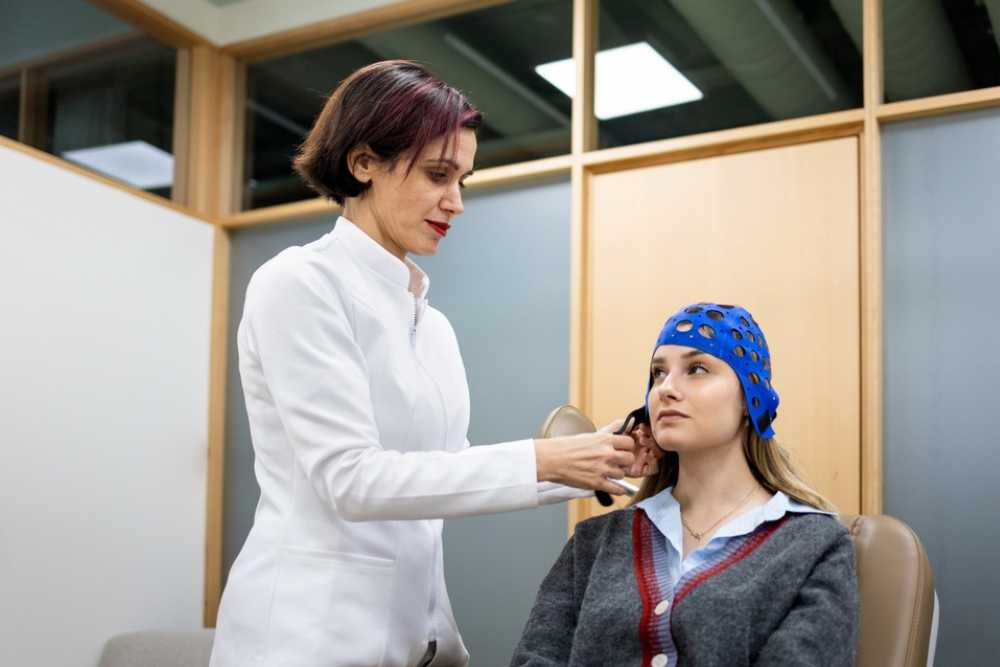
Starting TMS therapy at Moment of Clarity begins with an initial consultation and evaluation, during which a clinician reviews your medical history, current medications, prior treatment history, and any potential contraindications to ensure TMS is appropriate for you. If you are a strong candidate, your care team will handle the insurance authorization process, which typically involves submitting documentation of your diagnosis and treatment history to establish medical necessity. Moment of Clarity accepts most major PPO insurance plans including Cigna, Aetna, Tricare, and Humana, and the admissions team provides free, confidential insurance verification before you commit to any treatment. Once authorization is secured, a brain mapping procedure is conducted at the start of your first session to precisely identify the optimal treatment location on your scalp. To take the first step, call 949-625-0564 today.