





Frequently Asked Questions
Yes, TMS therapy has received FDA approval for several conditions beyond major depressive disorder, making it a versatile treatment option for patients near Huntington Beach with a range of mental health concerns. The FDA has approved TMS for obsessive-compulsive disorder, smoking cessation, and migraine prevention in adults, and approved the NeuroStar TMS device as an adjunct treatment for adolescent depression in patients ages 15 and older. Different TMS devices carry different clearances, and your clinician will identify the approved protocol most relevant to your diagnosis during the evaluation process. Research continues to expand TMS applications, with growing evidence supporting its use for PTSD, generalized anxiety disorder, and certain aspects of bipolar disorder, though these applications are currently off-label. Moment of Clarity near Huntington Beach provides a comprehensive clinical assessment to determine which TMS protocols are medically appropriate for your specific diagnosis.
TMS has shown significant promise for PTSD in clinical research, with studies finding that magnetic stimulation of the prefrontal cortex can reduce hyperarousal, improve emotional regulation, and decrease the intrusive symptom clusters that characterize PTSD. A 2019 study published in the journal Brain Behavior found TMS to be an effective treatment for both generalized anxiety disorder and post-traumatic stress disorder, supporting its use in anxiety-related presentations as well as depression. Because PTSD frequently co-occurs with depression, TMS can be particularly valuable for patients near Huntington Beach who are dealing with both conditions simultaneously, as the treatment targets the overlapping neural circuits involved in mood dysregulation, fear processing, and emotional hyperreactivity. TMS is currently used off-label for PTSD, meaning it does not yet carry a specific FDA approval for this indication, though the clinical evidence is substantial and growing. At Moment of Clarity near Huntington Beach, your treatment team will evaluate whether TMS is appropriate for your PTSD presentation and discuss what evidence-based outcomes you can realistically expect.
TMS therapy near Huntington Beach has a notably different side effect profile than antidepressant medications because it acts locally on the brain rather than circulating throughout the entire body. The most common TMS side effects are mild and temporary: scalp discomfort or a tapping sensation at the treatment site, mild headaches during the first week, and occasional minor facial muscle twitching during sessions, all of which typically diminish as patients progress through the treatment course. Antidepressants, by contrast, can produce a broad range of systemic effects including weight gain, sexual dysfunction, gastrointestinal issues, drowsiness, dry mouth, and activation symptoms that affect daily functioning and often cause patients to discontinue treatment. TMS does not cause cognitive impairment, memory problems, or the emotional blunting that some patients experience with psychiatric medications. For patients near Huntington Beach who have found antidepressant side effects intolerable, TMS represents a meaningful clinical alternative.
Most patients near Huntington Beach describe TMS therapy as uncomfortable rather than painful, particularly during the first few sessions as the scalp adjusts to the magnetic stimulation. The most common sensations are a tapping or knocking feeling on the scalp at the treatment site, a clicking sound from the magnetic coil, and occasionally a twitching sensation in nearby facial muscles, none of which require pain management beyond the first week of treatment for most patients. Any scalp discomfort tends to decrease significantly as treatment progresses, and the clinical team at Moment of Clarity monitors your comfort level throughout the course and can adjust treatment parameters if needed. Over-the-counter pain relievers can be used to manage any post-session headaches in the early weeks of treatment. The absence of needles, incisions, or anesthesia means that TMS is substantially less physically demanding than many medical procedures, and most patients find it much easier to tolerate than they initially expected.
Many patients near Huntington Beach begin to notice improvements in mood, energy, and overall functioning within two to four weeks of starting TMS therapy, though the timeline varies meaningfully between individuals and depends on the severity of the presenting condition and the specific brain regions being targeted. Because TMS works by promoting neuroplasticity and restoring healthy neural activity patterns over time, the effects tend to build progressively across the treatment course rather than producing an immediate or dramatic shift after a single session. Some patients report initial changes in sleep quality or energy levels before they notice clear changes in mood, while others experience a more gradual, cumulative improvement that becomes apparent toward the latter half of the treatment course. It is important to complete the full prescribed course of sessions rather than stopping early based on partial improvement or a lack of immediate response. Your clinical team at Moment of Clarity near Huntington Beach will track your progress regularly throughout the treatment course and adjust expectations based on your individual response.
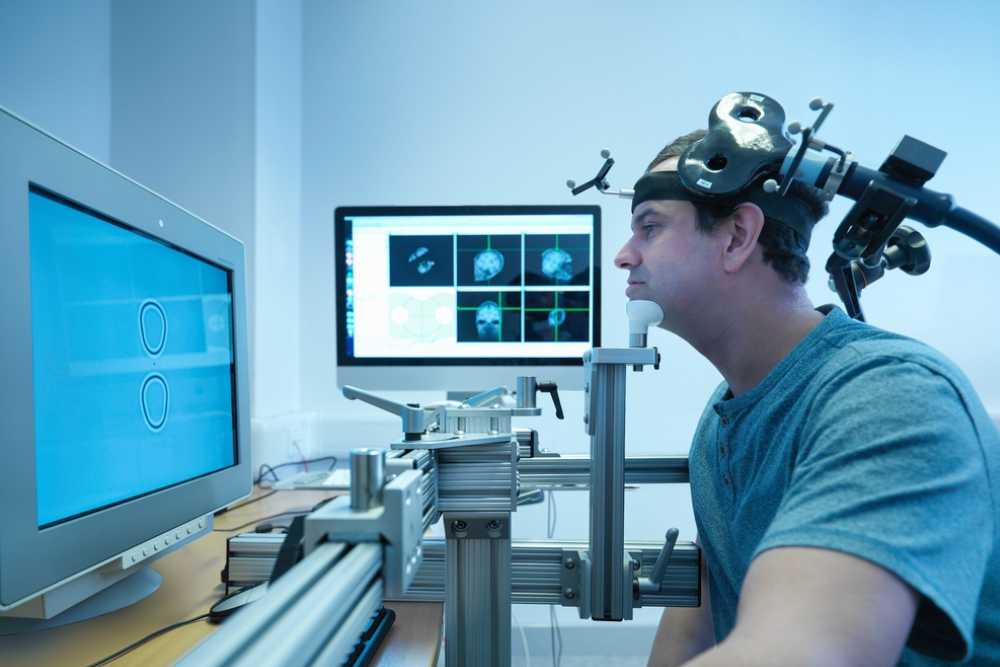
TMS delivers focused magnetic stimulation to a specific, precisely mapped region of the brain rather than affecting the entire brain, which is one of its most significant clinical advantages over systemic treatments like antidepressant medications. For depression, the primary target is the left dorsolateral prefrontal cortex, a region consistently associated with mood regulation, motivation, and executive function that shows decreased activity in people with depression. The magnetic pulses are brief and highly localized, and the treatment is calibrated at the individual level through a brain mapping procedure that identifies the correct scalp location and field strength for each patient. Because the stimulation is localized, TMS does not produce the broad systemic effects of medication and does not alter cognition, memory, or personality. The cascading network effects that TMS triggers by activating the prefrontal cortex can influence connected brain regions involved in mood and emotion over time, but the initial stimulation itself is precisely targeted.
Yes, TMS therapy can be repeated if depressive or other symptoms return after an initial treatment course, and research suggests that retreatment courses can be equally or more effective than the first course for many patients near Huntington Beach. For patients who achieved a strong initial response, repeat TMS is often the first clinical recommendation when symptoms resurface, as it avoids the need to restart medication trials and works through the same neurological mechanisms that produced the initial improvement. Many patients who respond well to TMS continue to experience benefits for six months or more after completing the initial course before any retreatment is needed. At Moment of Clarity near Huntington Beach, your care team monitors your mental health status after treatment completion and can schedule a retreatment course promptly if symptoms begin to return, allowing for early intervention before they reach previous severity. This ability to retreat makes TMS a viable long-term management strategy rather than a one-time procedure.
TMS therapy is covered by many insurance plans near Huntington Beach for FDA-approved indications when medical necessity criteria are met, which typically requires documented evidence that the patient has not responded adequately to antidepressant medication. Because of its FDA approval status for major depressive disorder, TMS generally has stronger insurance coverage than many other innovative psychiatric treatments, and Medicare and most commercial insurers recognize it as a medically necessary intervention for qualifying patients. Moment of Clarity accepts most major PPO insurance plans including Cigna, Aetna, Tricare, and Humana, and the admissions team provides free, confidential insurance verification before you commit to treatment so you understand your out-of-pocket costs in advance. Prior authorization is typically required, and the Moment of Clarity team manages the authorization process on your behalf, including gathering and submitting the documentation your insurer requires. Call 949-625-0564 to verify your TMS coverage at no cost.
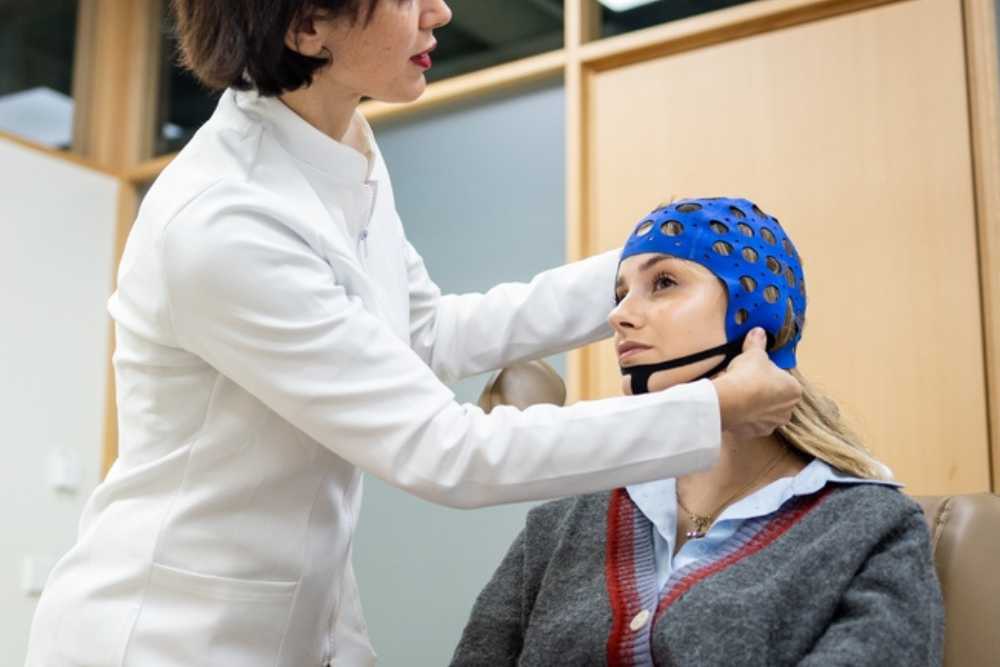
During TMS therapy near Huntington Beach, the electromagnetic coil placed against the scalp generates brief, powerful magnetic pulses that pass through the skull and induce small electrical currents in the underlying brain tissue. These currents cause neurons in the targeted region to fire, essentially activating brain circuits that are underactive in depression and restoring more normal patterns of neural activity. With repeated sessions, the stimulation promotes neuroplasticity, the brain's capacity to form new connections and rewire existing pathways, which produces lasting changes in neural connectivity and neurotransmitter activity. Enhanced release of serotonin and dopamine, both of which play critical roles in mood regulation, is part of the cascade of effects triggered by TMS stimulation. Over the course of treatment, these changes translate into reduced depressive symptoms, improved emotional regulation, and better overall mental health functioning for many patients.
Accessing TMS therapy through Moment of Clarity near Huntington Beach starts with a free, confidential consultation to discuss your mental health history, prior treatments, and current symptoms and to determine whether TMS is clinically appropriate for you. Once your candidacy is confirmed, the admissions team handles insurance verification and prior authorization, working with your insurer to establish medical necessity and minimize the administrative burden on your end. Moment of Clarity accepts most major PPO plans including Cigna, Aetna, Tricare, and Humana, and same-day consultations are available for patients who are ready to move quickly. The center is located at 14101 Yorba St, Tustin, CA 92780, a central Orange County location that is accessible from Huntington Beach via the I-405. To get started, call 949-625-0564 today.