




Frequently Asked Questions
Transcranial Magnetic Stimulation (TMS) is a non-invasive procedure that uses focused magnetic pulses to stimulate specific areas of the brain associated with mood regulation. TMS therapy near Tustin involves placing an electromagnetic coil against the scalp, typically near the forehead, which generates brief targeted pulses that pass through the skull and cause neurons in the targeted region to fire, effectively activating brain circuits that have become underactive in depression and other mental health conditions. The magnetic field strength used in TMS is similar to that used in MRI machines, but the pulses are far shorter and more precisely localized. Over a course of treatment sessions, these repeated stimulations can restore normal neural firing patterns, strengthen connections between mood-regulating brain regions, and produce lasting improvements in mental health. Moment of Clarity near Tustin offers TMS therapy as part of a comprehensive outpatient mental health treatment approach, combining this innovative modality with individual therapy, IOP, PHP, and other evidence-based programming.
TMS therapy has received FDA approval for major depressive disorder including treatment-resistant depression, obsessive-compulsive disorder, and smoking cessation. Research and off-label clinical use have also demonstrated potential benefits for anxiety disorders, PTSD, bipolar disorder depressive episodes, and ADHD, broadening the range of patients who may benefit from this approach. TMS near Tustin at Moment of Clarity is primarily used for mental health conditions where the targeted stimulation of specific brain circuits produces clinically meaningful improvements, particularly in patients who have not responded adequately to medication or traditional therapy. Each potential TMS patient undergoes a comprehensive evaluation to confirm which conditions and presentations are most likely to respond to treatment. If your condition is not among the FDA-approved indications, your clinical team at Moment of Clarity will discuss the evidence for off-label use honestly so you can make an informed decision about pursuing TMS.
Whether TMS therapy is better than antidepressants depends on your individual history, the severity of your depression, and your response to prior treatments. Traditional antidepressants are typically the first-line treatment for depression and are effective for many people, but they require four to six weeks to show results and do not help all patients. TMS is most commonly indicated after at least one antidepressant trial has failed to produce adequate relief, and clinical studies show that 50 to 70% of treatment-resistant patients experience significant improvement with TMS. A major advantage of TMS over antidepressants is that it does not enter the bloodstream and therefore does not cause the systemic side effects many patients find intolerable, including weight gain, sexual dysfunction, or gastrointestinal issues. At Moment of Clarity near Tustin, TMS and medication management are often used together within a comprehensive treatment plan rather than as mutually exclusive options.
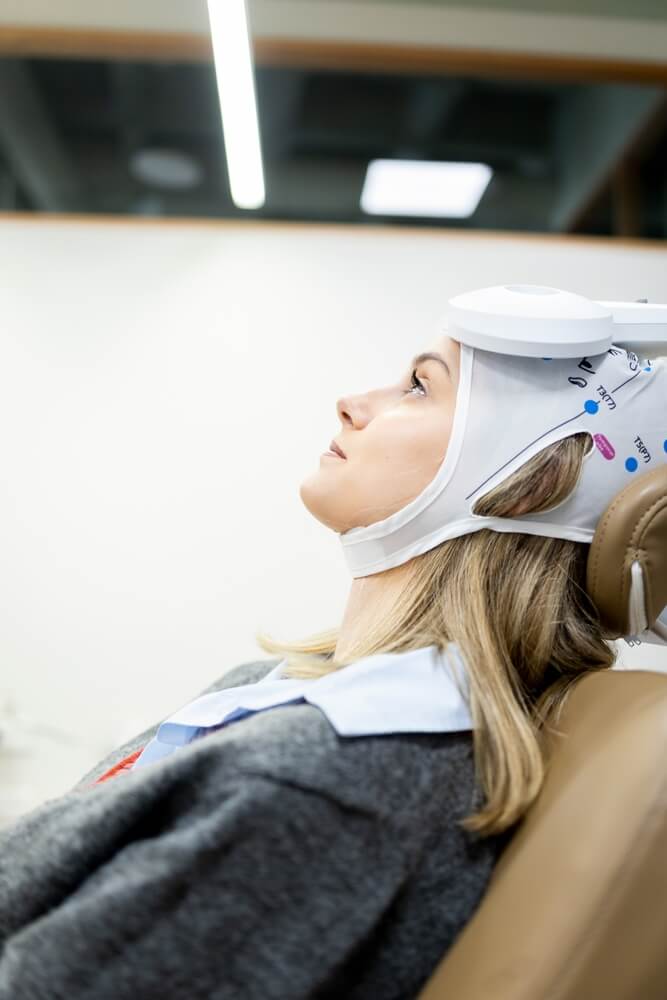
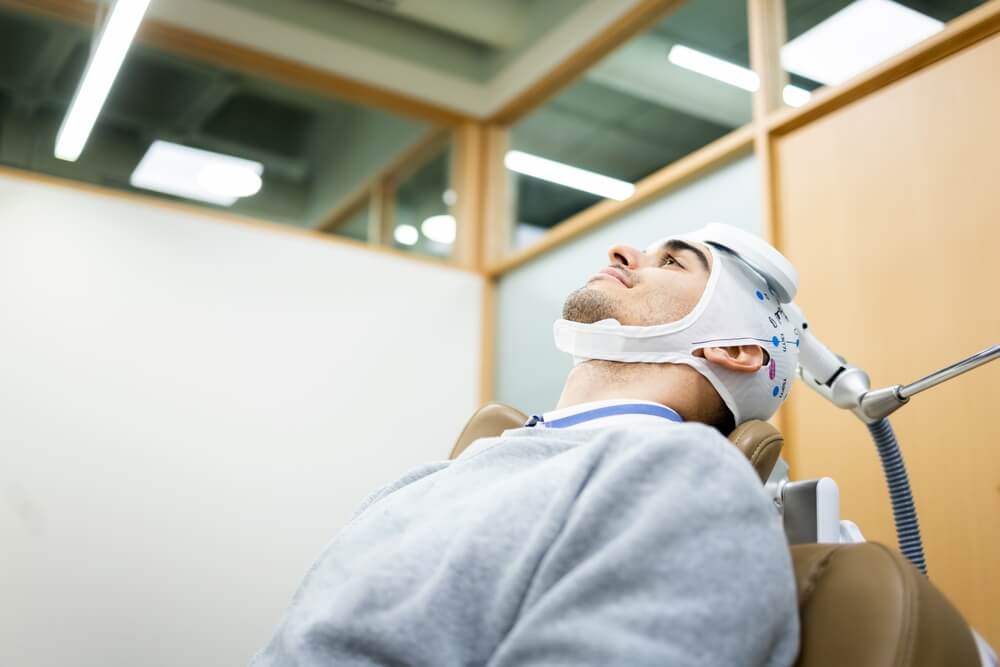
During a TMS session near Tustin, you will be seated comfortably in a chair with an electromagnetic coil placed against your scalp. You will hear a clicking sound and feel a rhythmic tapping or light knocking sensation on your head at the site of coil placement with each magnetic pulse, which most patients find manageable and not significantly painful. The sensation often decreases in intensity after the first several sessions as you adapt to the treatment. Immediately after a session, you can drive yourself home, return to work, and resume normal activities because TMS requires no sedation or anesthesia and involves no recovery time. Over the course of treatment, most patients begin to notice gradual improvements in mood, energy, motivation, and mental clarity, with the most significant changes typically appearing around the midpoint of the initial treatment course.
A standard course of TMS therapy typically involves five sessions per week for four to six weeks, totaling around 20 to 30 sessions for the initial treatment course. Each individual session lasts between 20 and 50 minutes depending on the protocol used, and you remain fully awake and alert throughout with no preparation or recovery time required. The entire treatment course spans approximately four to five months when an initial intensive phase is followed by a tapering maintenance schedule. Some patients notice improvements beginning around the second or third week of treatment, while for others the full benefit becomes apparent closer to the end of the initial course. Moment of Clarity near Tustin will provide a personalized session plan based on your specific condition, diagnosis, and clinical response throughout treatment.
Strong candidates for TMS therapy near Tustin include individuals with persistent depression, anxiety, or OCD that has not improved with first-line treatments, those who cannot tolerate the side effects of psychiatric medications, and people who are committed to attending daily sessions for several weeks. You must have medical clearance confirming that you do not have contraindications such as a history of seizures, brain injuries, or metal implants near the head or skull. TMS is FDA-approved specifically for individuals who have not responded adequately to at least one antidepressant medication, making it a natural next step after treatment resistance has been established. People who are proactive about their mental health and motivated to explore non-invasive, medication-free therapy approaches are often particularly well-suited to TMS. At Moment of Clarity, a comprehensive evaluation confirms whether TMS is appropriate for your specific situation and medical profile.
TMS therapy is associated with durable improvements in depression for many patients, with effects often lasting months after the completion of the initial treatment course. Studies show that approximately 50 to 70% of patients with treatment-resistant depression experience significant improvement, and a substantial portion of those maintain their gains for six months or longer. For patients whose symptoms return, TMS can be repeated in a retreatment course, and research suggests that subsequent courses can be equally or more effective than the initial series. At Moment of Clarity near Tustin, your care team monitors your mental health status after treatment completion and can schedule retreatment quickly if symptoms begin to return. The ability to retreat makes TMS a sustainable long-term strategy for managing treatment-resistant depression rather than a one-time intervention.
Several medical and psychiatric factors may disqualify a patient from TMS therapy, and these are assessed systematically during the intake evaluation at Moment of Clarity. The most significant contraindication is the presence of metal implants near the head or skull, including cochlear implants, deep brain stimulators, aneurysm clips, or metallic stents, because the magnetic field generated during TMS can interact dangerously with these devices. A history of seizures or epilepsy is another key contraindication, as TMS involves brain stimulation that carries a very small but real risk of seizure in susceptible individuals. Brain injuries or lesions in the area targeted by TMS may also affect eligibility. Some psychiatric presentations including active psychosis may complicate TMS use and require careful clinical evaluation. At Moment of Clarity near Tustin, your safety screening is thorough and conducted by qualified clinicians who will be transparent with you about any factors that affect your candidacy.
TMS therapy is covered by many insurance plans for FDA-approved indications when medical necessity criteria are met, including documentation that the patient has not responded adequately to at least one antidepressant medication. Because of its FDA approval status for major depressive disorder, TMS generally has better insurance accessibility than some other innovative treatments, and many commercial insurers including Medicare cover it for qualifying patients. Moment of Clarity near Tustin accepts most major PPO plans including Cigna, Aetna, Tricare, and Humana, and our admissions team provides free, confidential insurance verification before you commit to any treatment. Prior authorization is typically required, and our team manages this process on your behalf to minimize administrative barriers to accessing care. Call 949-625-0564 to verify your TMS coverage at no cost.
Moment of Clarity is a comprehensive outpatient mental health treatment center, which means TMS therapy is offered as one component of a full clinical continuum that also includes IOP, PHP, individual therapy, group therapy, CBT, DBT, EMDR, ketamine-assisted therapy, and Spravato. This integrated model is clinically meaningful because the neuroplasticity that TMS stimulates produces the most durable outcomes when paired with structured psychotherapy and ongoing support rather than when provided as an isolated procedure. Our clinical team conducts comprehensive screening, monitors patient progress throughout the treatment course, and adjusts treatment parameters based on your individual response, including frequency, intensity, and the specific brain regions targeted. The personalized, multidisciplinary approach at Moment of Clarity ensures that your TMS treatment is clinically optimized and therapeutically supported from start to finish. To learn how our approach differs from standalone TMS providers near Tustin, call 949-625-0564.