
Which Insurance Plans Cover TMS Therapy for Depression?
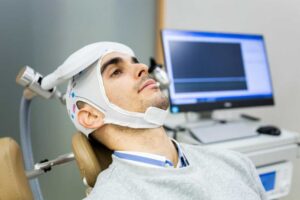
As Transcranial Magnetic Stimulation (TMS) becomes a more accepted form of therapy for mental health conditions, many potential patients ask, does insurance cover TMS for
Knowing which Spravato® treatment insurance accepted carriers can help alleviate the cost burden. Thankfully, most major commercial insurance plans cover Spravato®, including those from UnitedHealthcare,
As a relatively new treatment, there are many questions regarding ketamine for mental health, including what insurance covers ketamine therapy. However, insurance coverage for ketamine
When selecting an outpatient mental health clinic in Orange County, start by considering the specific services and specializations you need. Look for Orange County mental
Transcranial Magnetic Stimulation (TMS) is a non-invasive treatment for depression and other mental health conditions that uses magnetic pulses to stimulate specific areas of the
Spravato® (esketamine nasal spray) represents a significant financial commitment for uninsured patients. The Spravato® cost without insurance is substantial, with individual doses ranging from $590
Finding ketamine therapy near me that accepts insurance presents several interconnected challenges and benefits. On the challenge side, ketamine-assisted therapy in Los Angeles remains relatively new and
Finding out whether your insurance covers TMS (Transcranial Magnetic Stimulation) treatment requires a proactive approach. The first step for finding TMS insurance coverage is to
Ketamine-assisted therapy (KAT) has emerged as a promising treatment for several mental health conditions, particularly treatment-resistant depression, where conventional antidepressants have proven ineffective. Unlike traditional
Spravato® (esketamine) has shown significant effectiveness in treating depression, particularly for patients who haven’t responded to traditional antidepressants. Clinical trials have demonstrated that when used