

Intensive Outpatient Programs for veterans with PTSD are a structured yet flexible approach to treatment that bridges the gap between inpatient hospitalization and traditional weekly therapy. These programs typically meet three to five days per week for several hours at a time, providing veterans with concentrated therapeutic support while allowing them to maintain their daily responsibilities, whether that’s work, family care, or education.
IOPs create a safe environment where veterans can engage in evidence-based treatments like Cognitive Processing Therapy and Prolonged Exposure Therapy alongside peers who understand the unique challenges of military service. This peer support component is particularly valuable, as many veterans find it easier to open up about combat experiences, military sexual trauma, or moral injury when surrounded by others who have worn the uniform and faced similar struggles.
Beyond individual therapy, IOPs equip veterans with practical coping skills through group sessions focused on anger management, sleep hygiene, substance abuse prevention, and stress reduction techniques. The intensive nature of these PTSD treatment programs allows clinicians to closely monitor veterans’ progress and adjust treatment plans in real time, catching potential crises before they escalate while reinforcing positive changes.
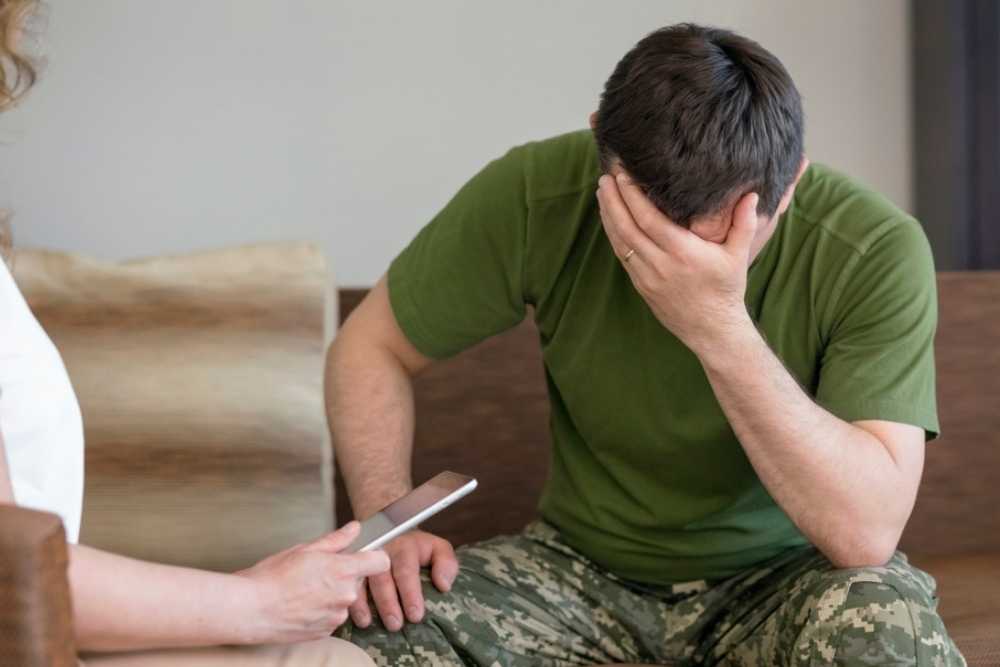
What Are the Signs of Military Trauma?
Military trauma can manifest in ways that aren’t always immediately recognizable, affecting veterans’ mental health, physical well-being, and daily functioning long after their service has ended. The signs of needing trauma treatment for military service include:
- Intrusive memories and flashbacks, where veterans suddenly feel transported back to combat situations, are often triggered by loud noises, crowded spaces, or specific smells that remind them of deployment.
- Hypervigilance and exaggerated startle response that keeps veterans constantly scanning their environment for threats, sitting with their back to the wall, or jumping at unexpected sounds like fireworks or car backfires
- Avoidance behaviors, including staying away from crowds, refusing to discuss military experiences, steering clear of news coverage about war, or isolating from friends and family who don’t understand what they’ve been through
- Sleep disturbances such as insomnia, nightmares about combat or traumatic events, night sweats, and difficulty staying asleep due to heightened alertness, even in safe environments
- Emotional numbness or detachment, where veterans feel disconnected from loved ones, struggle to experience joy or affection, or seem emotionally flat even in situations that would normally provoke strong feelings.
- Anger and irritability that surfaces disproportionately in everyday situations, sometimes escalating to aggressive outbursts, road rage, or conflicts at work and home over seemingly minor issues.
- Guilt and shame related to survivor’s guilt, actions taken during combat, inability to save fellow service members, or feelings of having failed their unit or mission
- Depression and loss of interest in activities that once brought pleasure, accompanied by feelings of hopelessness about the future, or questioning whether life has meaning after military service
- Physical symptoms without a clear medical cause, including chronic pain, headaches, gastrointestinal problems, or unexplained fatigue that doctors struggle to diagnose or treat effectively
- Substance use as self-medication, where veterans turn to alcohol, prescription medications, or drugs to numb emotional pain, sleep better, or quiet intrusive thoughts about their trauma
Are Military Flashbacks Really That Intense?
Yes, military flashbacks can be extraordinarily intense and far more than many people realize. Unlike simply remembering a difficult experience, flashbacks are involuntary sensory experiences where the brain essentially relives the traumatic event as if it’s happening in the present moment. Veterans describe feeling transported back to the battlefield with such vividness that they can smell burning fuel, feel the heat of explosions, hear the screams of wounded comrades, or taste dust in their mouths.
The physical response during these episodes mirrors what the body experienced during the actual trauma. A veteran’s heart rate can spike to combat levels, adrenaline floods their system, and they may begin sweating profusely or shaking uncontrollably. Some veterans have described throwing themselves to the ground when a car backfires, taking cover behind furniture, or even attempting to “return fire” at perceived threats.
Mental Health Treatment That Works
Call 949-625-0564What our customers are saying
Do Many Veterans Deal With PTSD and Anger Issues?
Yes, anger issues are prevalent among veterans with PTSD, and the two conditions are deeply interconnected. Research shows that somewhere between 40% to 60% of veterans with PTSD struggle with significant anger and irritability, making it one of the most prevalent symptoms alongside hypervigilance and sleep disturbances. This anger often catches veterans and their families off guard because it seems disproportionate to the situation, like slow traffic or a perceived slight from a coworker, can trigger an explosive reaction that the veteran later regrets but feels powerless to control in the moment.
The connection between PTSD and anger runs deeper than simple irritability. During combat, anger and aggression are survival tools—they help soldiers push through fear, make split-second decisions, and stay alert to threats. The military reinforces this controlled aggression as necessary for mission success. However, when veterans return home, their nervous systems often remain stuck in that high-alert combat mode where the brain interprets everyday frustrations as threats requiring an aggressive response.

Do Veterans Deal With Hypervigilance After War?
Yes, hypervigilance is one of the most common and exhausting symptoms veterans experience after war. The constant state of alertness that kept them alive in combat zones doesn’t simply switch off when they return home. Many veterans find themselves unable to relax even in objectively safe environments like their own living room, constantly feeling the need to position themselves with a clear view of entrances, becoming anxious in crowds, or staying perpetually prepared for danger that rationally they know isn’t there.
Here are some tips on how to handle hypervigilance:
- Practice grounding techniques
- Use controlled breathing exercises
- Gradually challenge avoidance behaviors
- Establish predictable routines and safe spaces
- Engage in physical exercise
- Work with a therapist trained in trauma

Key Takeaways on Intensive Outpatient Programs for Veterans With PTSD
- Intensive Outpatient Programs for veterans with PTSD provide structured support without full hospitalization.
- Military flashbacks are profoundly intense neurological events, not simple memories.
- Anger issues affect 40-60% of veterans with PTSD and stem from combat conditioning, where aggression served as a survival tool that the nervous system struggles to deactivate after returning home.
- Hypervigilance is an exhausting symptom where combat-trained threat detection doesn’t shut off.
- Military trauma manifests through multiple interconnected symptoms, including intrusive memories, avoidance behaviors, emotional numbness, sleep disturbances, guilt, depression, unexplained physical symptoms, and substance use as self-medication.
Intensive outpatient programs for veterans with PTSD provide comprehensive, trauma-informed care tailored to their unique experiences. These programs focus on creating a supportive environment where veterans can share their struggles and receive guidance from trained professionals. If you or a veteran you know would benefit from a veteran’s mental health program, reach out to Moment of Clarity at 949-625-0564.
Resources
- Yale Medicine – New Yale-Led Study Reveals Why Younger Veterans Face Higher PTSD Risk
- U.S Department of Veterans Affairs – How Common is PTSD in Veterans?
- National Library of Medicine – Innovative outpatient treatment for veterans and service members and their family members